
STRATDELA #44
A special number, a regular issue.


Somehow I am really fond of the number 44. Anyway, this is going to be a regular normal issue, let’s go.
ESCALATION RISKS
But first things first, here’s a new section. Given that the gravest dangers that might end the human civilization come from the fact that we see several ongoing conflicts involving a lot of nuclear weapon states, I’ve decided that it might be useful to share thoughts on this matter. I will focus on possible actions and reactions by Russia and Russia’s adversaries (and probably to some extent allies and partners as well).
Of course, the biggest risks are based on the possibility of direct confrontation between Russia and NATO countries. So far we’ve managed to walk the thin line, but it might not be this way forever. Currently there are growing voices inside Russia suggesting that the armed action against Ukraine should include its rear, which effectively is inside NATO.
What has changed, given that supplies, intelligence, planning and targeting had been flowing to Ukraine continuosly for many years? Well, Ukrainian long- and mid-range drone strike campaign clearly involving production facilities inside European countries (with some of those countries actually bragging about these facilities) make it harder for Russia to achieve the goals, thus the cost-benefit calculations around possible horizontal escalation are shifting.
Thus, we need to pay close attention to the Russian messaging around this matter. Personally I hope we will not go that way, as, clearly, European countries will hardly ignore the kinetic action against targets on their soil. Still, it is quite a possible scenario. Current level and effectiveness of Russian strikes against all sorts of targets in Ukraine suggest that countering those is a serious challenge for, well, anyone in the world.
Strategic offensive weapons
B-52H crushed near Edwards AFB. Clearly, it is a part of testing campaign for the new radar. In related news, CBO suggested that lack of test platforms is a hurdle for the LRSO development process, which is nearing completion.
Russian Tu-160s carried out a regular patrol over Barents and Norwegian seas.
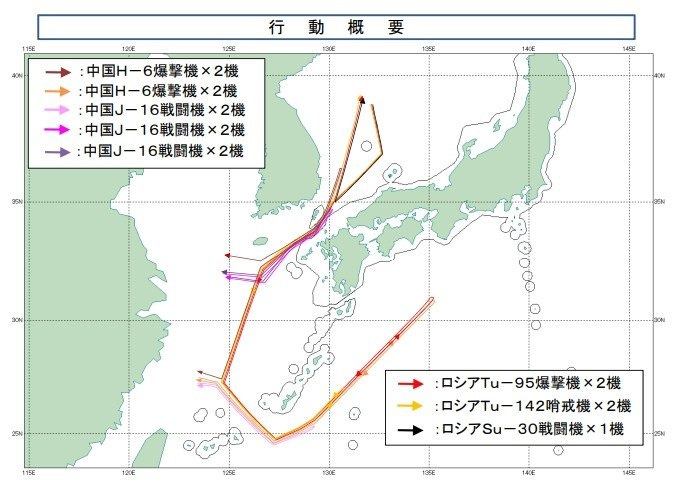
Russian and Chinese Tu-95MS and H-6K conducted joint air patrol.
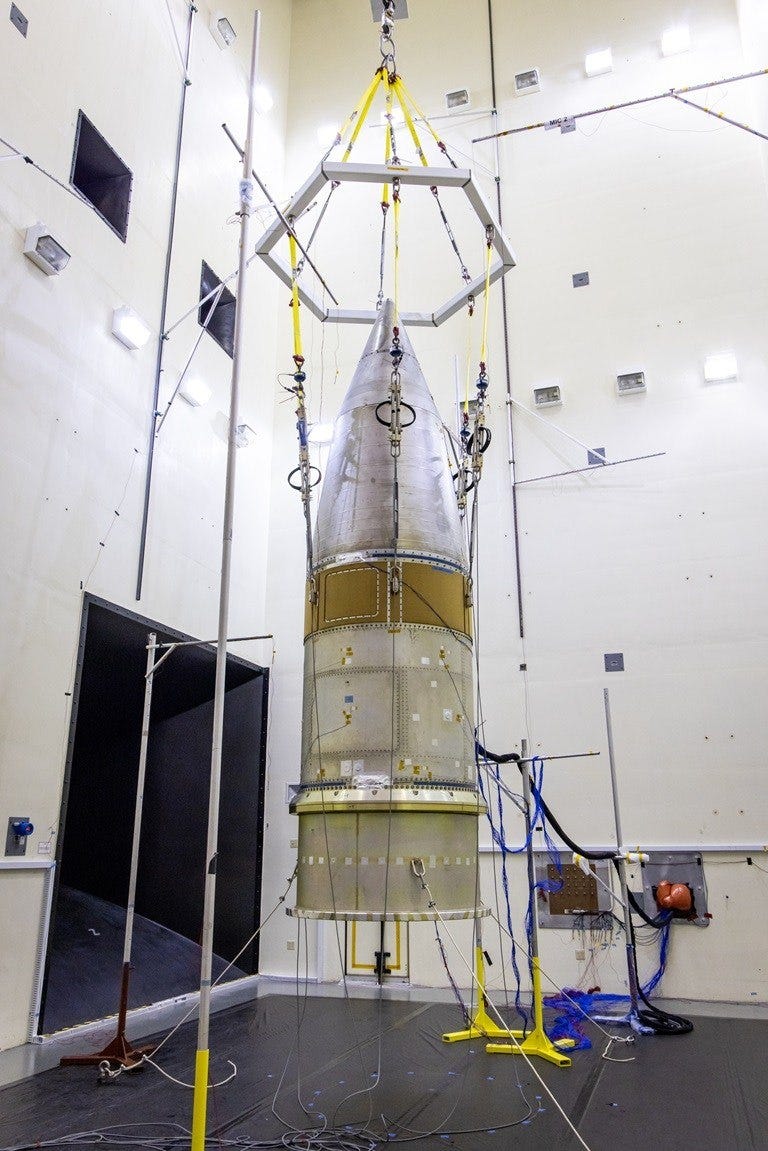
Sentinel ICBM development continued, acoustic tests reportedly succesful, and we have new photos of the front section.
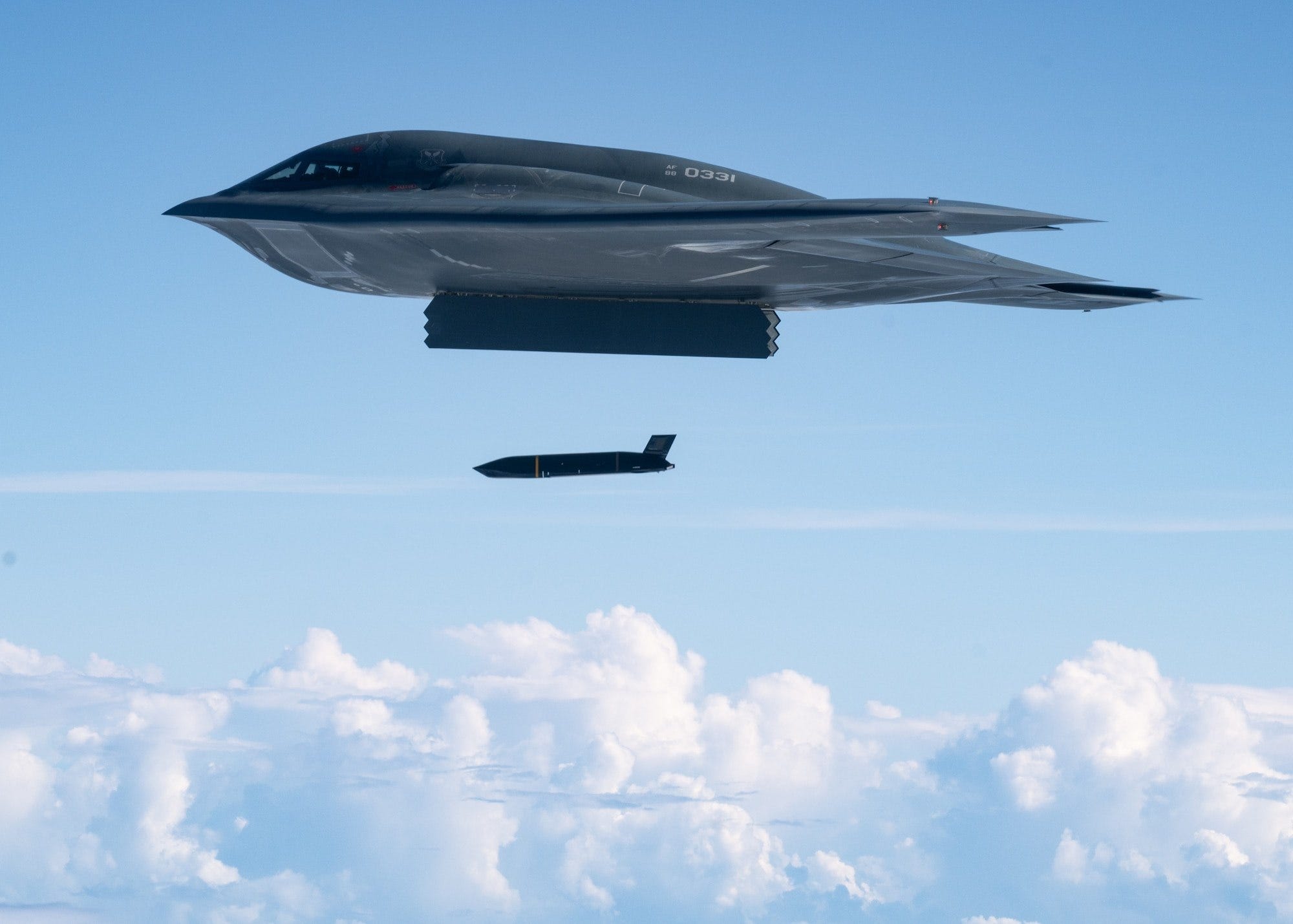
B-21 to turn from tests to operations rather sooner than later, first one to get to Ellsworth AFB from Edwards AFB. B-21 itself will have a WSO. Makes total sense.
Also, B-2 demonstrates LRASM capability.
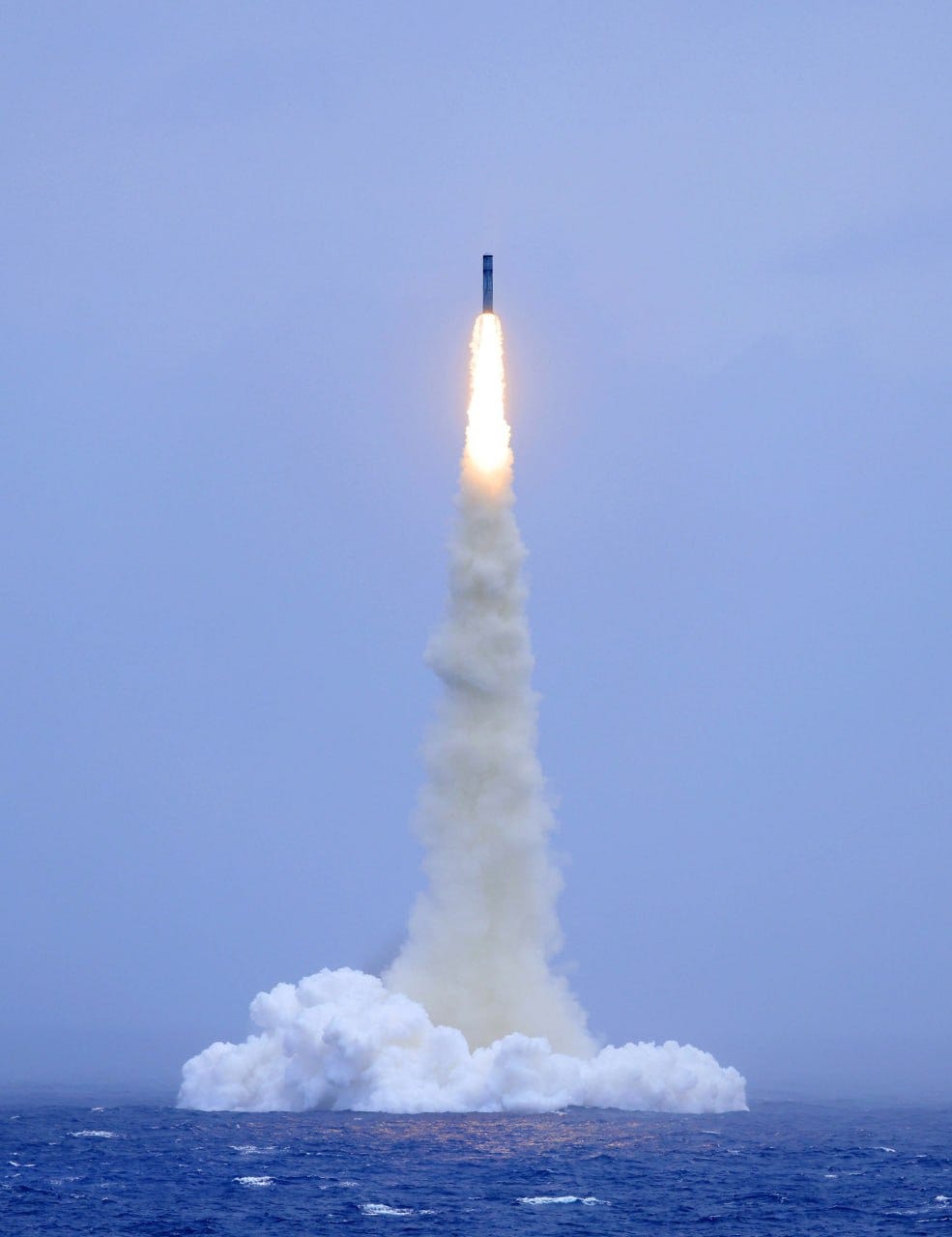
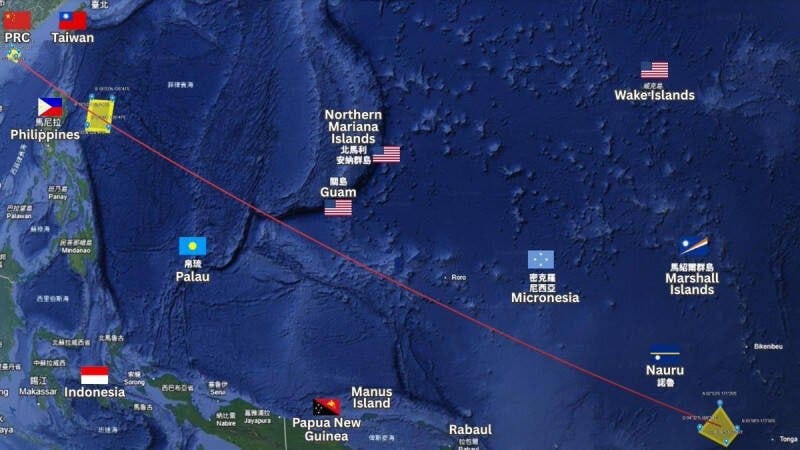
Chinese SLBM launch became major news.
Here are my thoughts:
I do not see it as a major “provocation” or whatever, and even limited notifications that have been released should be welcomed, not criticized. Normal process of getting ready for proper SSBN operations.
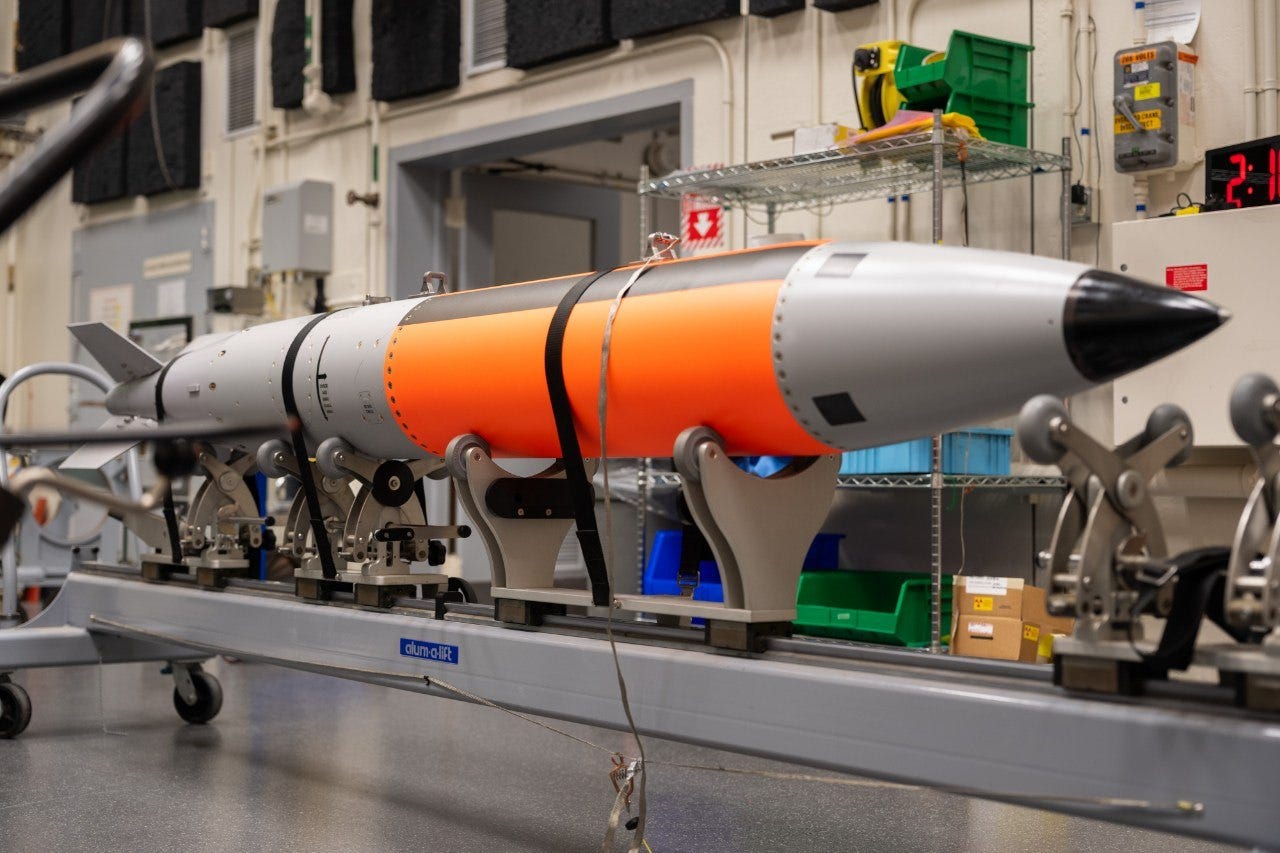
B61-13 CSA “diamond-stamped” ahead of schedule.
Hyperhype
Looks like France wants to speed up the work on ASN4G, a hypersonic successor to the ASMP famility of nuclear-tipped air-launched cruise missiles.
MBDA surprised noone with a possibility that their HGV demonstrator for hypersonic missile defense might contribute to the offensive capabilities as well.
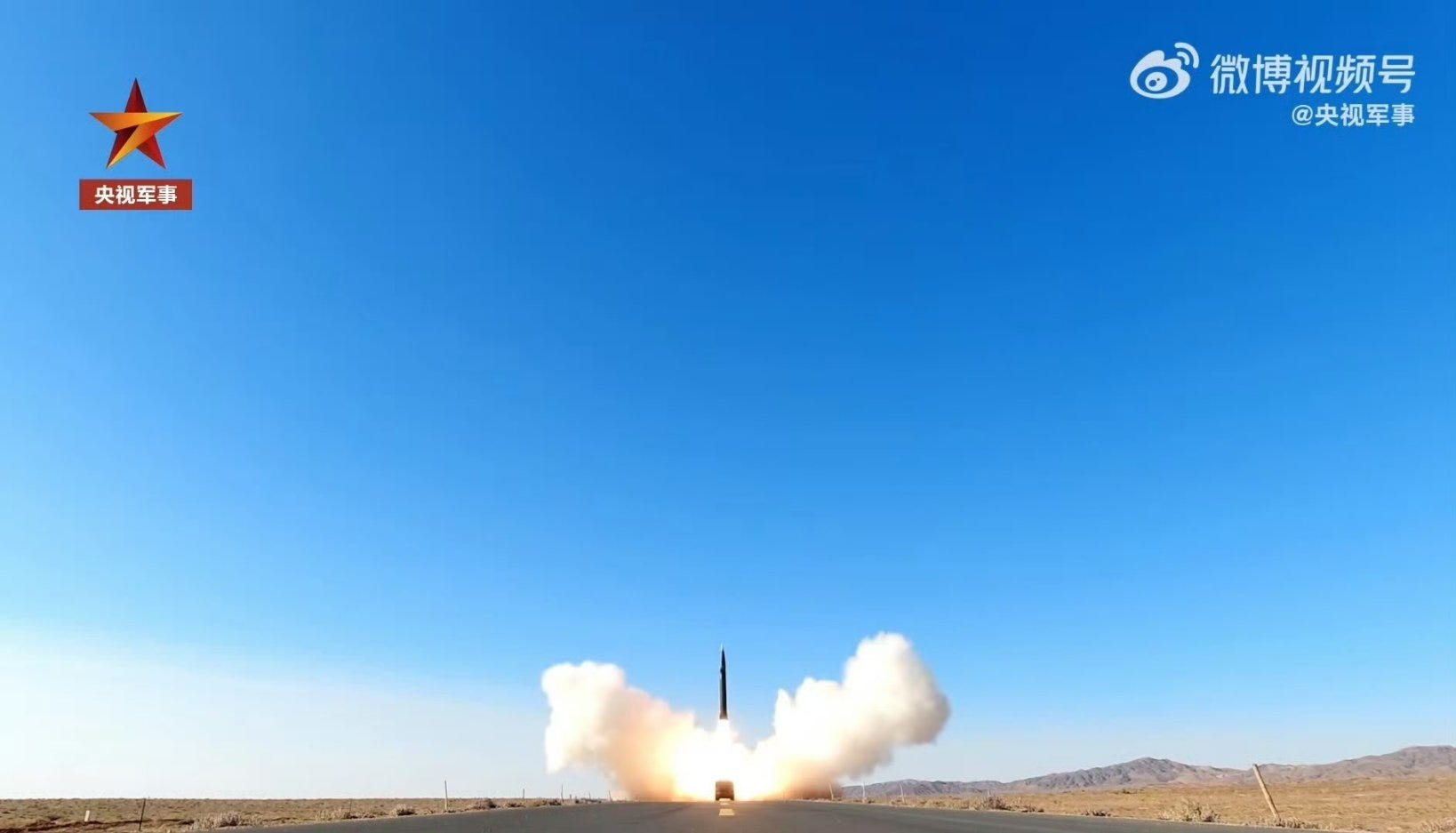
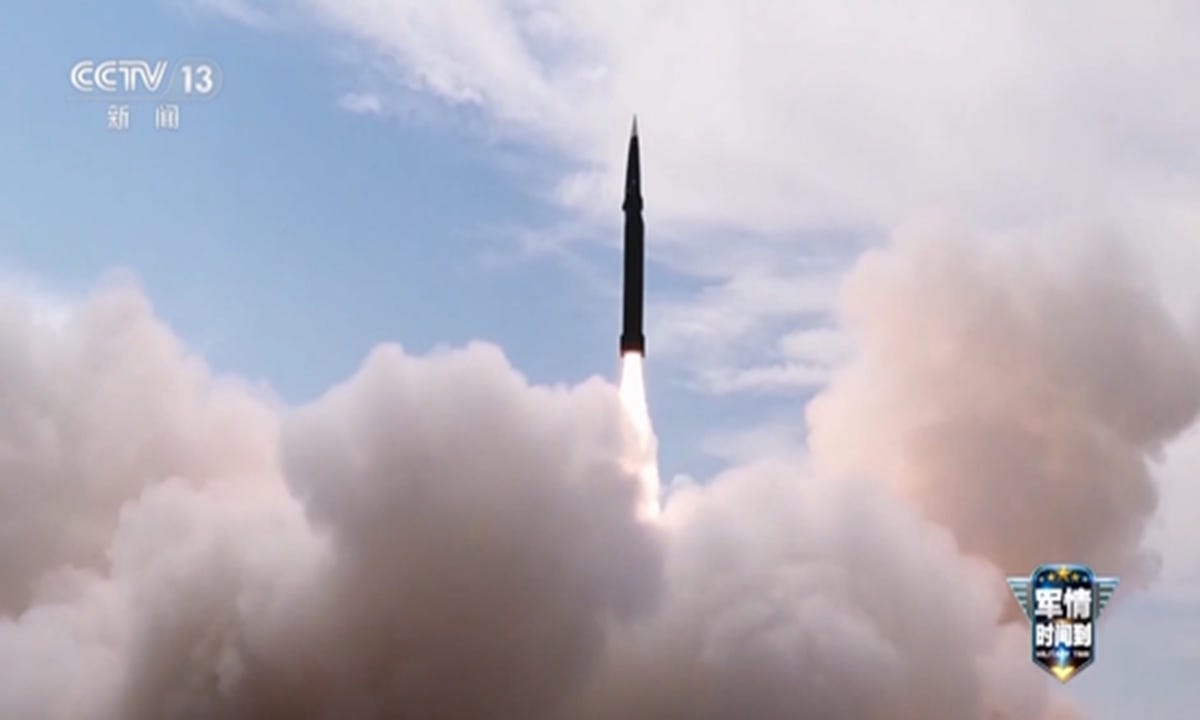
China released some fancy footage of DF-17 operations and launch.
In the meantime, Lockheed Martin proposes “affordable, scalable hypersonic glide body”. Will follow carefully.
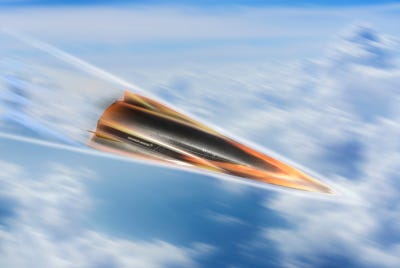
US Navy wants to deploy CPS on more platforms using VLS and containers.
Still, CPS itseld experiences delays, per GAO reporting. Same is true for HACM and LRHW.
Post-INF (and other long-range precision weapons)
Some new details about ELSA and its Implementation Groups actually made things even more complicated. Looks like an effort to do everything (MLRS, air-launched systems, SEAD, effectors…) with a high probably of achieving next to nothing.
UK low-cost one way effectors developed under Project Brakestop are gaining momentum with testing. Still, for themselves the Brits want to get some PrSM…and still try to head a pan-European deep strike effort.
German officials once again claim that they will get Tomahawks and probably Typhons from the US. My thoughts on this matter:
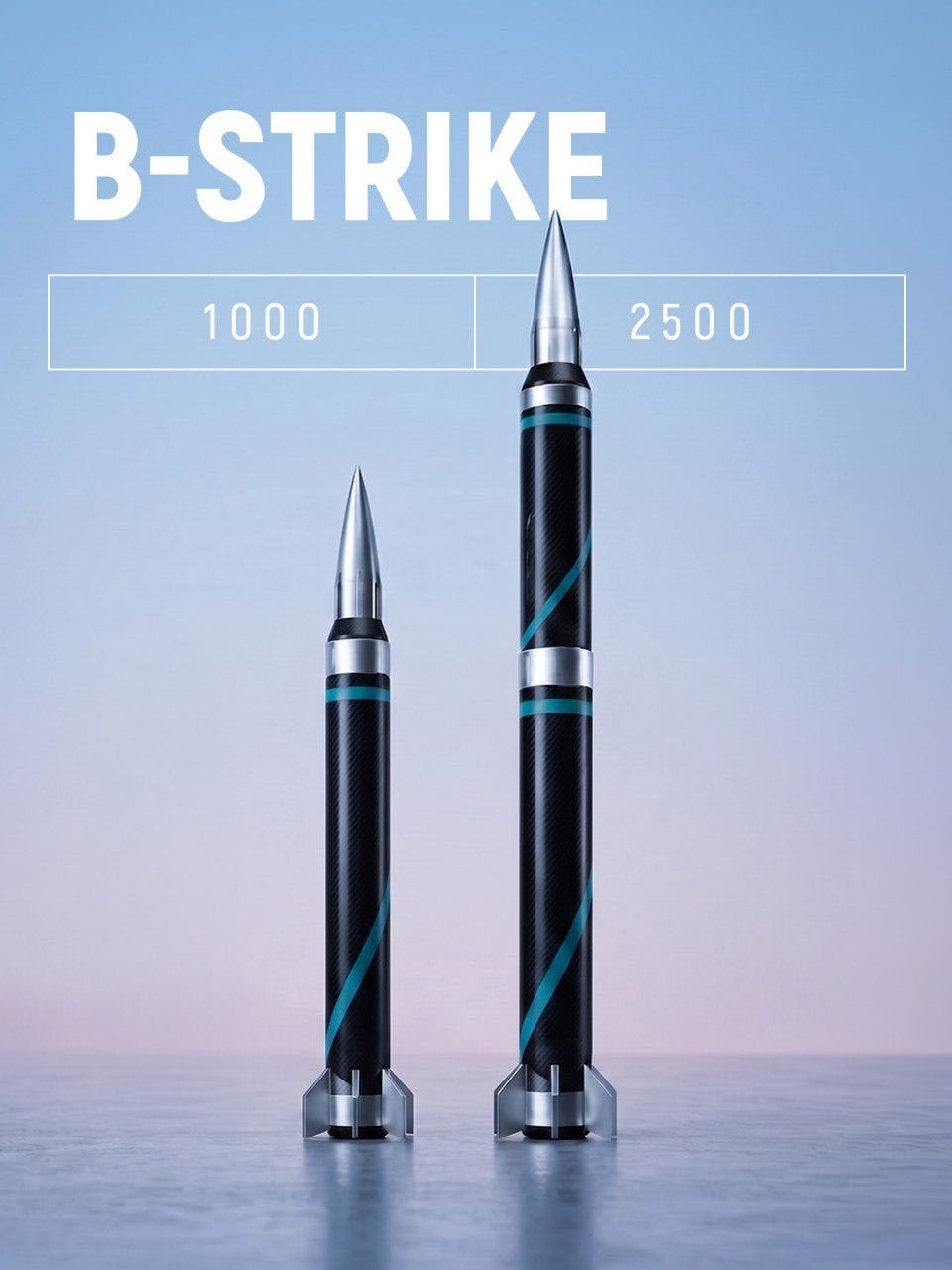
French are releasing more and more pictures of their Ariane Group B-Strike family of missiles. Let’s see when will those fly.
Early Warning/Missile Defense/Military Space
US Space Force Victus Haze mission involving Rocket Lab for a proper Tactical Responsive Space Rendezvous and Proximity Operation with a very tight timeframe is pretty cool.
Meadowlands counterspace jammer formally enters service with the US Space Force to “detect, deny, disrupt, and degrade adversary capabilities”.
Maneuver warfare seems pretty real for both US Space Force and their commercial partners.
More Arrow-3 capability activated in Germany.
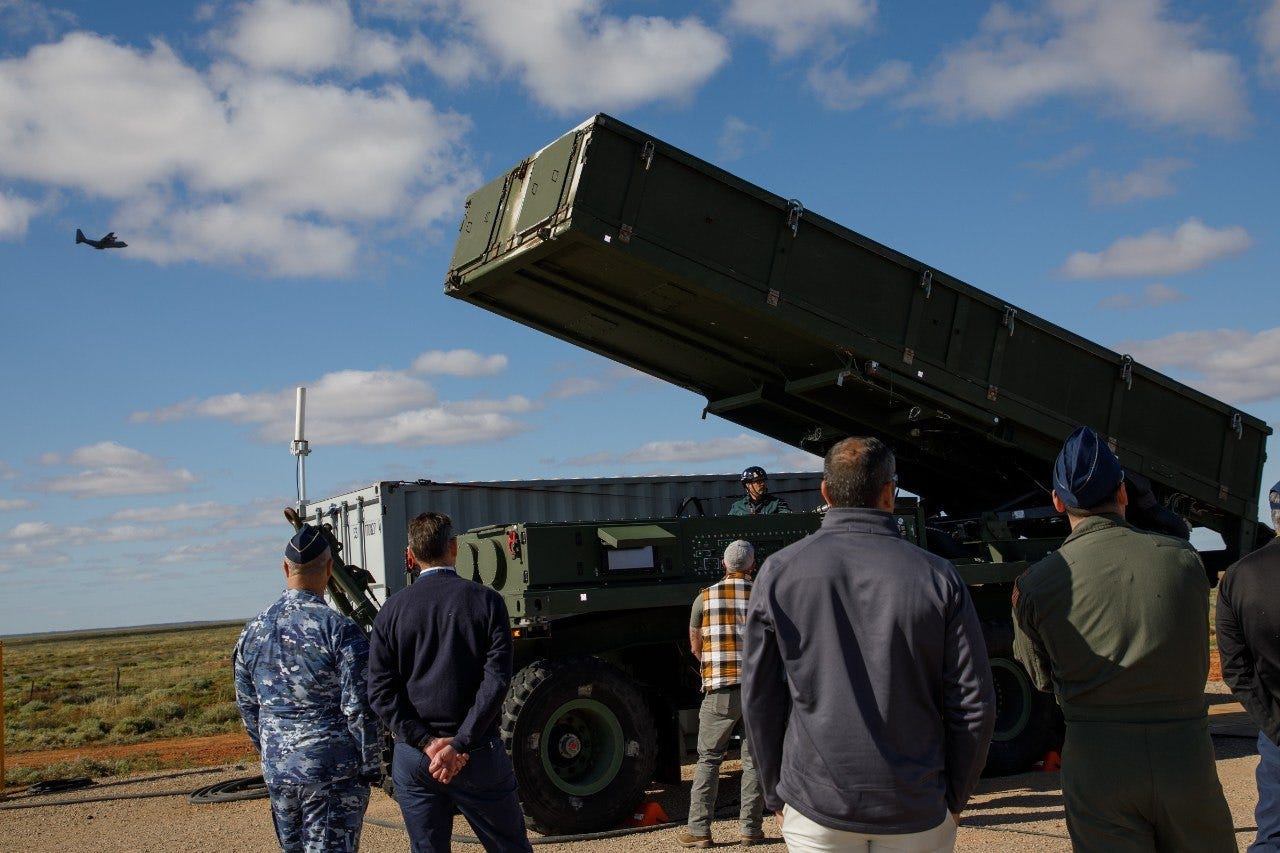
SM-2 tested in Australia from a very neat launcher and overall sensible architecture. Probably they will consider using it for strike munitions as well eventually, looks like a healthy alternative for Mk70-derived launchers.
Military Industry and military-technical cooperation
Not exactly industry, but new US efforts to push with quantum tech for ISR worth following closely.
NNSA embraces AI and additive manufacturing with Aires Tide program. No surprises, this looks like a major trend.
More exports for JSM.
More noises about service and production for US munitions in Europe (Patriot, ATACMS, etc.), will follow the developments.
Arms control, diplomacy and signalling
NATO nuclear planning group issued a statement after its Ministerial Session, which used to be not that of a regular thing. Most importantly, participants acknowledged shared risks of this arrangement. More on NATO nuclear communiques can be found here:

In other news, Dmitry Peskov reiterated that nuclear deterrence works during Primakov Readings. Twice.
Relevant paragrapf from the NATO Ankara Summit Declaration deserve mentioning:
NATO’s deterrence and defence rest on an appropriate mix of nuclear, conventional, and missile defence capabilities, complemented by space and cyber assets. We are committed to maintaining our combat advantage. We are investing in our ability to deploy, enable and sustain our armed forces and deliver our capability targets in all domains, including in deep precision strike, integrated air and missile defence, uncrewed systems, cutting edge technologies, and intelligence capabilities. We are developing an interoperable transatlantic warfighting cloud and adopting powerful AI models.
Further reading
Great paper on new arms control formats - and related challenges.
Useful read on extended deterrence in the Asia-Pacific.
IMEMO Strategic Review 2025 finally published. Full belingual PDF available here.
Some interesting thoughts on the role of nuclear weapons in modern deterrence.
Good overview of shifts in the Indian nuclear posture.
Brief hot take on the PLAN SLBM test.
Some ideas on UK/France cooperation on air-launched nuclear weapons.
Music
WAILIN STORMS has been one of my favourite bands for many years, and they have delivered a fantastic new album. For all those who enjoy Southern Gothic:
End Notes
That’s all for now. Go watch some football:)
Can you also share such Russian sources that call for strikes inside NATO territory?
I agree with the analysis on Escalation risks. Most Europeans see Russian statements as "empty threats." They, however, overlook how the divide between local and regional levels of conflict is eroding during the current Ukraine conflict. Determinstically assuming that Ukraine conflict cannot involve nuclear weapons, because it falls under the "local" level of conflict is dangerous.
I exactly map out such escalation dynamics in my latest:
https://www.internationalaffairs.org.au/australianoutlook/things-are-getting-harder-for-russia-why-escalation-may-be-likely/