


Hyperhype time! Who wants some thoughts on Chinese hypersonic weapons? I will cover several areas of these developments, and also provide some infographics. Do not expect any previously unknown information, but I’ve tried to paint a bigger and broader picture using existing data.
Objectives for the PLA long-range high-speed missile capabilities build-up
The development of hypersonic weapons is an evolutionary process aimed at increasing the speed, range and accuracy of conventional and nuclear weapons, as well as enhancing their ability to penetrate missile and air defence systems. I will not explain why hypersonic weapons are important per se, neither why they do not revolutionize anything, as it has been done in other papers many times.
In China, the development of such systems is, as far as I understand, currently driven by the need to establish the capability to guarantee the destruction of hold at risk naval task forces (primarily carrier strike groups), long-range missile launchers, air and missile defense systems, radar stations, command posts, naval and air bases, ammunition depots and other critical infrastructure belonging to the US and its allies in the Asia-Pacific region. Of particular significance in the Chinese context is the deployment and potential use of hypersonic weapons to establish so-called anti-access/area denial in the Western Pacific in the context of the objective of reunification with Taiwan. Furthermore, hypersonic weapons, whether nuclear or non-nuclear, are regarded as an effective means of strategic deterrence.
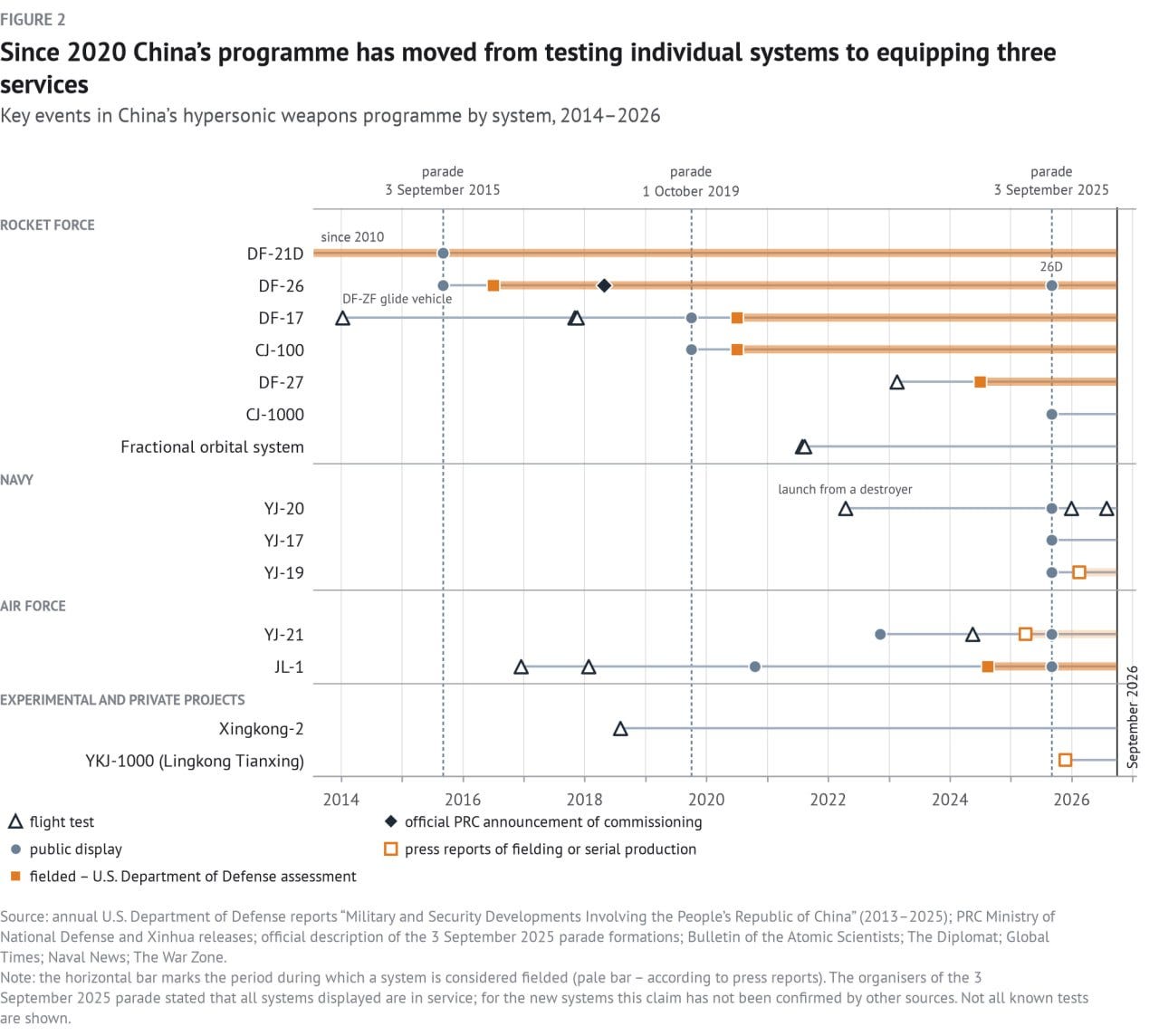
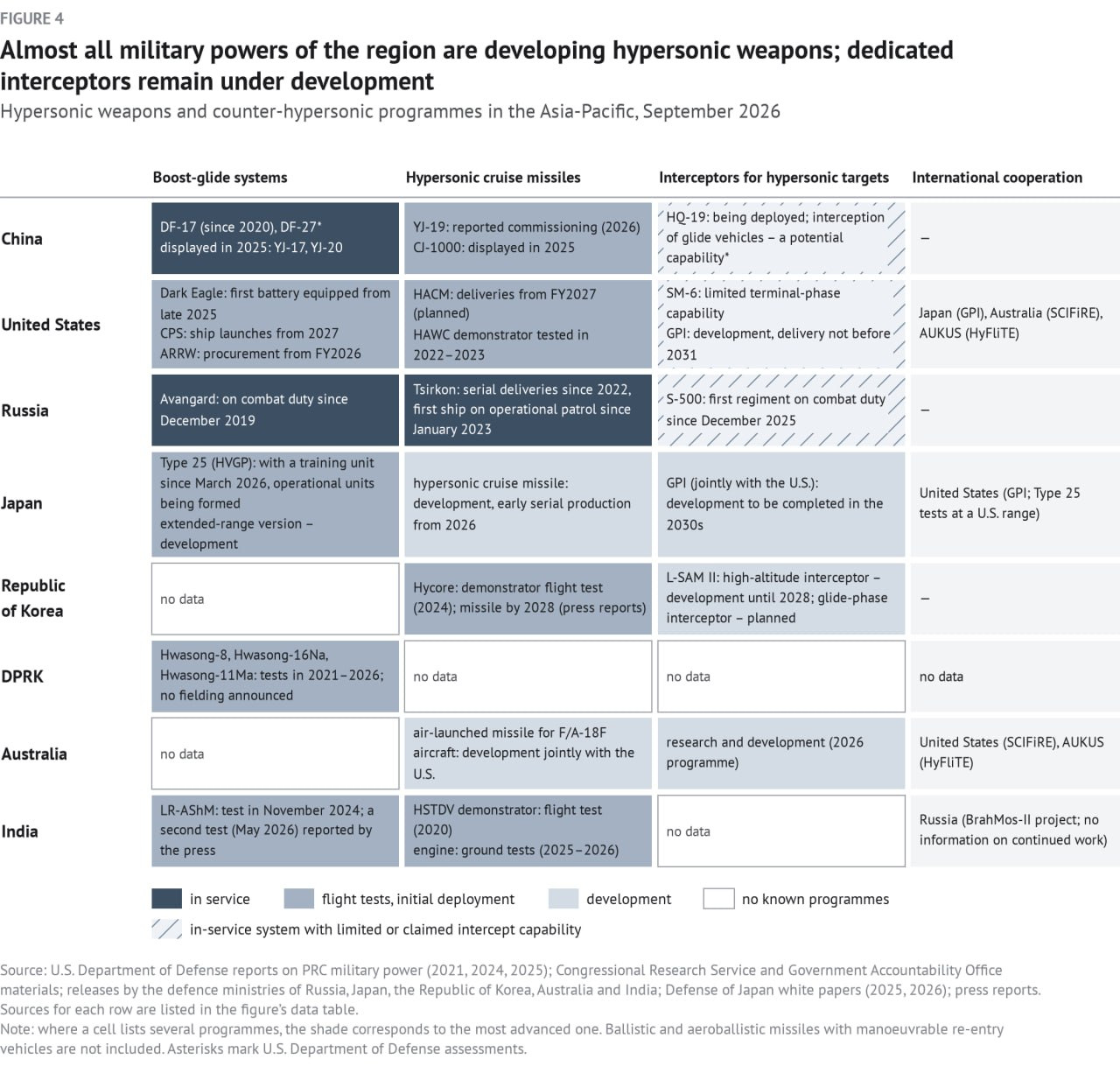
As of autumn 2026, the PLA had begun a transition from testing experimental prototypes (the ‘DF-ZF’ HGV or the ‘Xingkong-2’ air-breathing HCM) and the operational testing of individual hypersonic weapons to their full-scale practical deployment. Particular importance is attached to the integration of systems employing various technological solutions, covering all possible ranges and utilising land-, sea- and air-based platforms. Currently, hypersonic weapons are being supplied to three branches of the PLA: the Rocket Force (RF), the Navy and the Air Force.
Current status of the PLA hypersonic weapons deployment
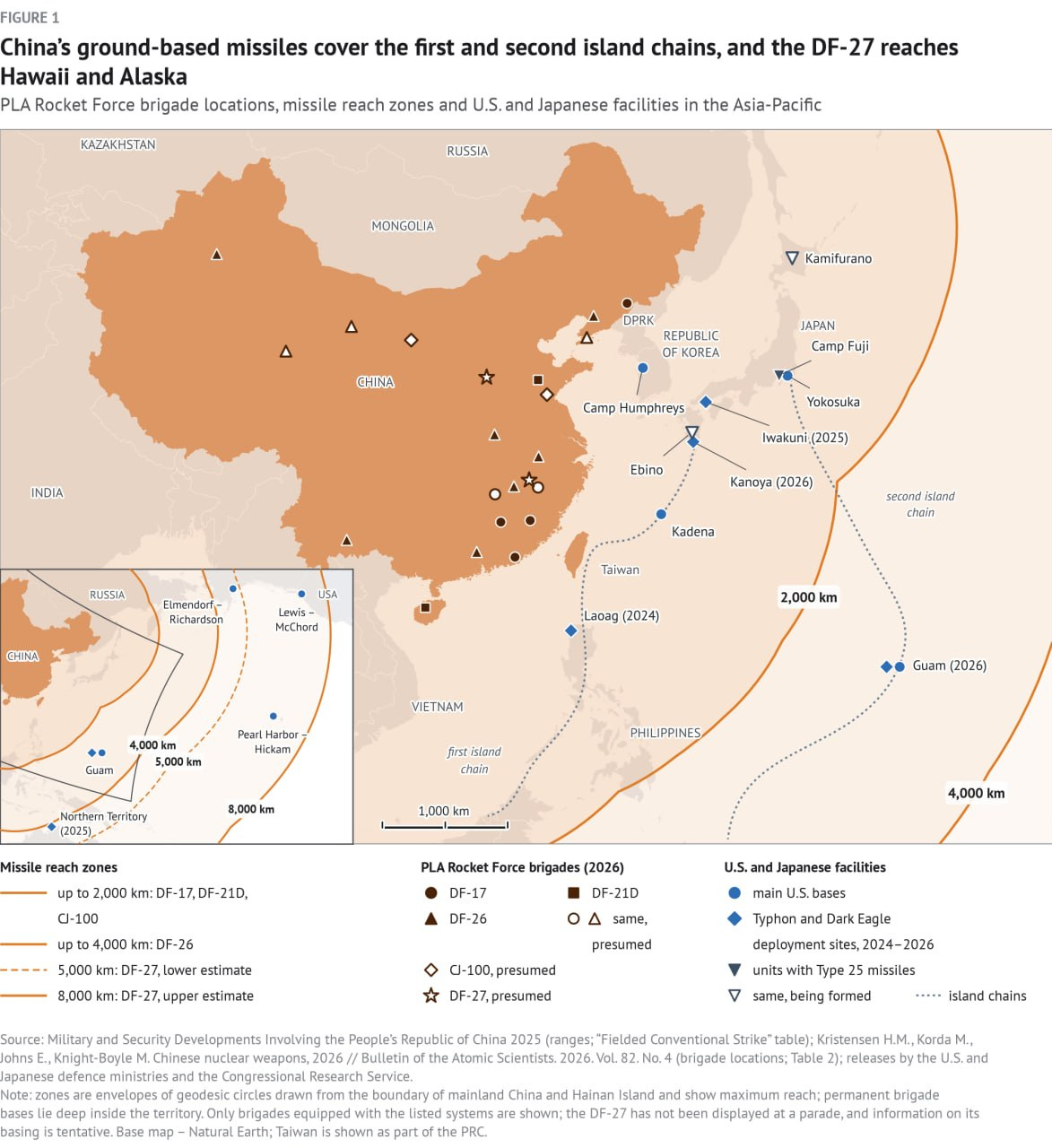
The PLARF is already equipped with the ‘Dongfeng-17’ medium-range hypersonic missile systems, and development of the ‘Dongfeng-27’ intermediate-range hypersonic missile system is, according to estimates, nearing completion. It should be noted that these systems are based on the deployment of hypersonic warheads on the booster stages of ballistic missiles with manoeuvrable warheads—the ‘Dongfeng-16B’ and ‘Dongfeng-26B’ respectively—which also can be classified as hypersonic weapons, that is, capable of flying at hypersonic speeds and manoeuvring within the atmosphere, primarily during the terminal phase of their trajectory. The missiles listed may be equipped with either nuclear or conventional warheads. Their tasks include, amongst other things, the destruction of surface ships. The Chinese DF-21D ballistic missiles are also similar in purpose. Beijing attaches particular importance to increasing the range of ground-based hypersonic glide vehicles to ensure the guaranteed capability to strike US Navy and Air Force ships and infrastructure directly in forward operating areas (Guam, as well as on the national territories of US allies in the Asia-Pacific region).
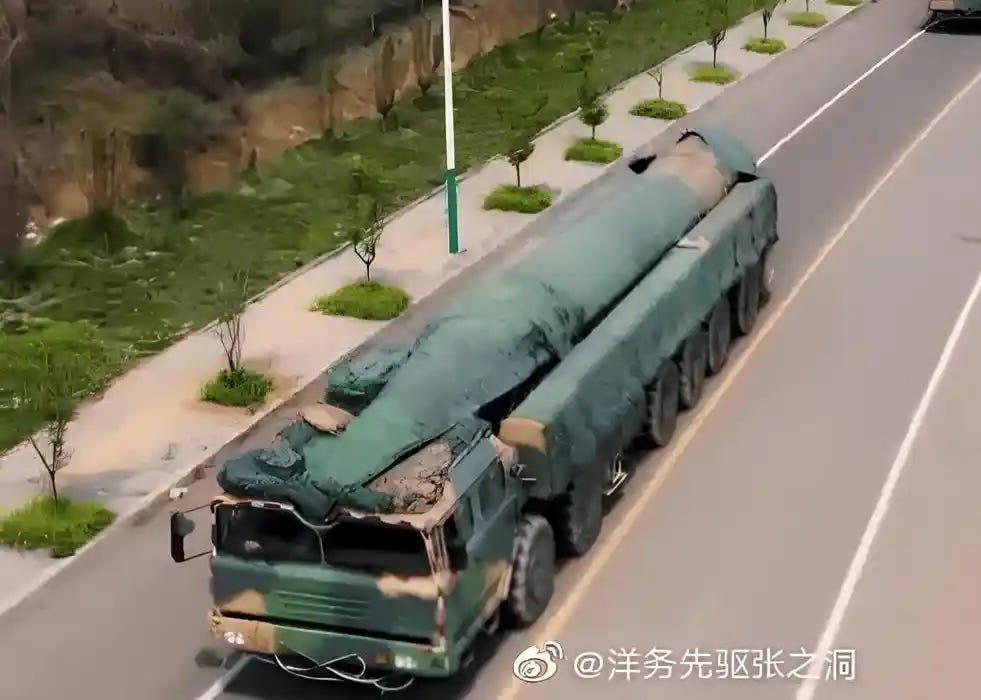
Furthermore, it cannot be ruled out that hypersonic gliding warheads may be adopted to equip the ‘Dongfeng-5C’ heavy intercontinental ballistic missiles. In this context, it is worth mentioning the reported experimental launch of a fractional orbital bombardment system with a detachable hypersonic glide vehicle, carried out by the PRC in August 2021. Chinese officials emphasise the scientific and space-related nature of this event and draw parallels with the US-operated X-37B orbital space plane, whilst Western experts are primarily concerned that this system could be used to deliver high-precision non-nuclear strikes over ‘global’ (unrestricted) ranges.
It is also worth noting the programmes to develop the ground-based ‘Dongfeng-100’ and ‘Dongfeng-1000’ missile systems, equipped with the ‘Changjian-100’ and ‘Changjian-1000’ long-range supersonic missiles respectively. There is currently no reliable information regarding their exact speeds and ranges; however, it is presumed that the ‘Dongfeng-100’ missile system, which is already deployed, is capable of striking targets on Japanese territory.
During the parade marking the 80th anniversary of the victory in the Chinese People’s War of Resistance against Japanese Aggression and in the Second World War in September 2025, a number of hypersonic weapon systems intended for the PLAN were showcased.
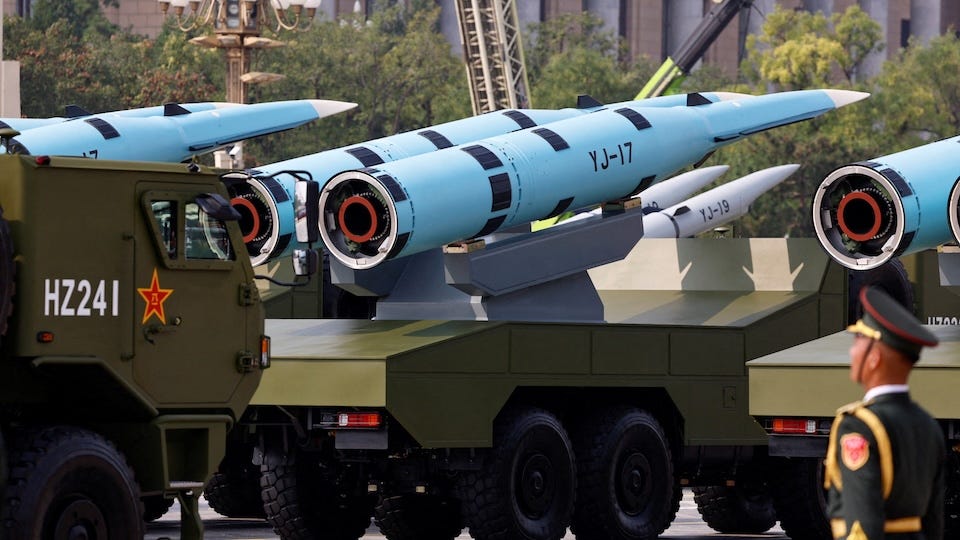
Those were ‘Yingji-17’ hypersonic missiles with a wedge-type-ish HGV of high aerodynamic quality, to be deployed on ‘Hong-6K’ strategic bombers and ‘Nanchang’, ‘Kunming’ and ‘Zibo’-class guided missile destroyers, to be launched from universal vertical launch systems*; the ‘Yingji-20’ with a less fancy conical glide body (for ‘Nanchang’-class guided missile destroyers); and the ‘Yingji-19’ HCM with a scramjet engine (Type 093A nuclear-powered submarines and, in the future, Type 093B, launched via 533-mm torpedo tubes).
Of the systems listed, the ‘Yingji-20’ is estimated to be the closest one to deployment (or rather actually deployed), with final acceptance trials having been conducted at the end of 2025.
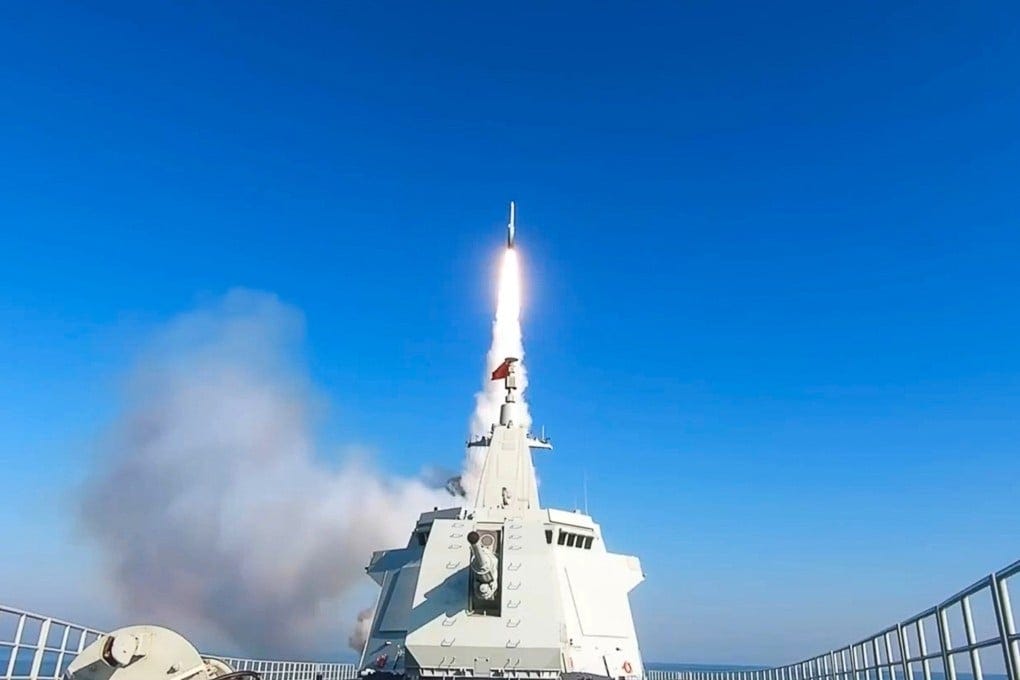
Presumably, such systems are non-nuclear at this stage and are intended to strike surface ships and land-based targets. At the same time, the planned reintroduction of nuclear-armed cruise missiles into the US Navy’s arsenal may prompt the Chinese to consider taking similar measures.
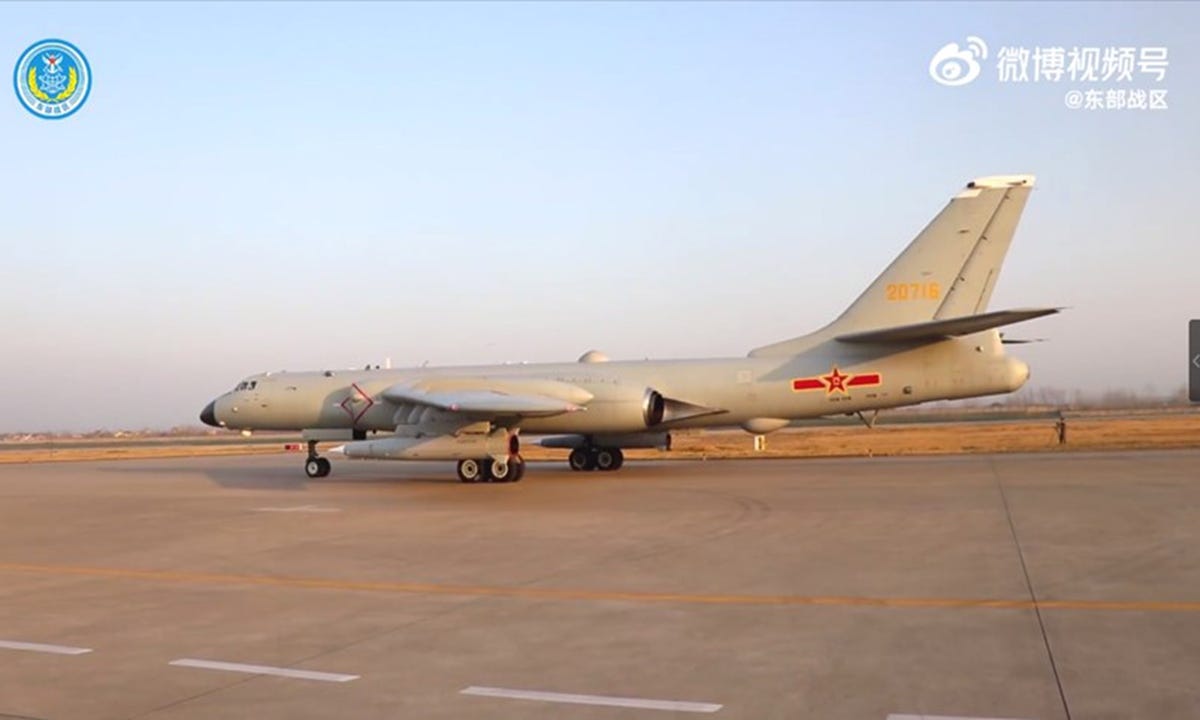
The strategic aviation branch of the PLAAF (H-6K/N bombers) is equipped with the Yingji-21 hypersonic missile, which is in many respects similar in its technical specifications to the Russian 9-A-7660 ‘Kinzhal’ system. It is believed that a scaled-down version has been developed for tactical aircraft (in particular, open-source photographs show J-10 fighters equipped with such a missile or a scale model of it). In addition, the ‘Jinglei-1’ air-launched ballistic missile, previously referred to in Western sources as the CH-AS-X-13 and believed to have been developed on the basis of the ‘Dongfeng-21D’ medium-range ballistic missile.
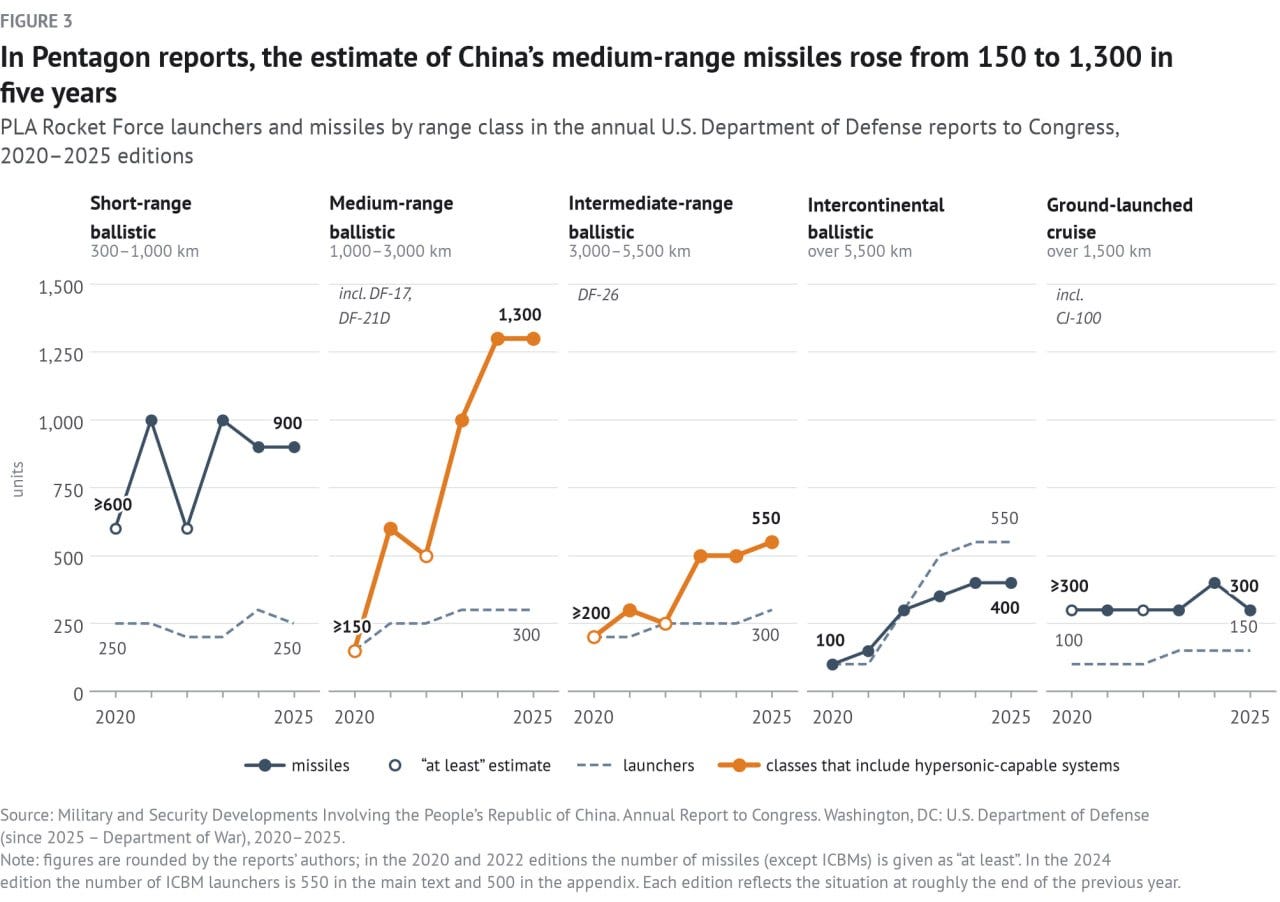
So, it is clear, that there is a significant growth of hypersonic weapons in the PLA arsenals, both in terms of numbers and ranges.
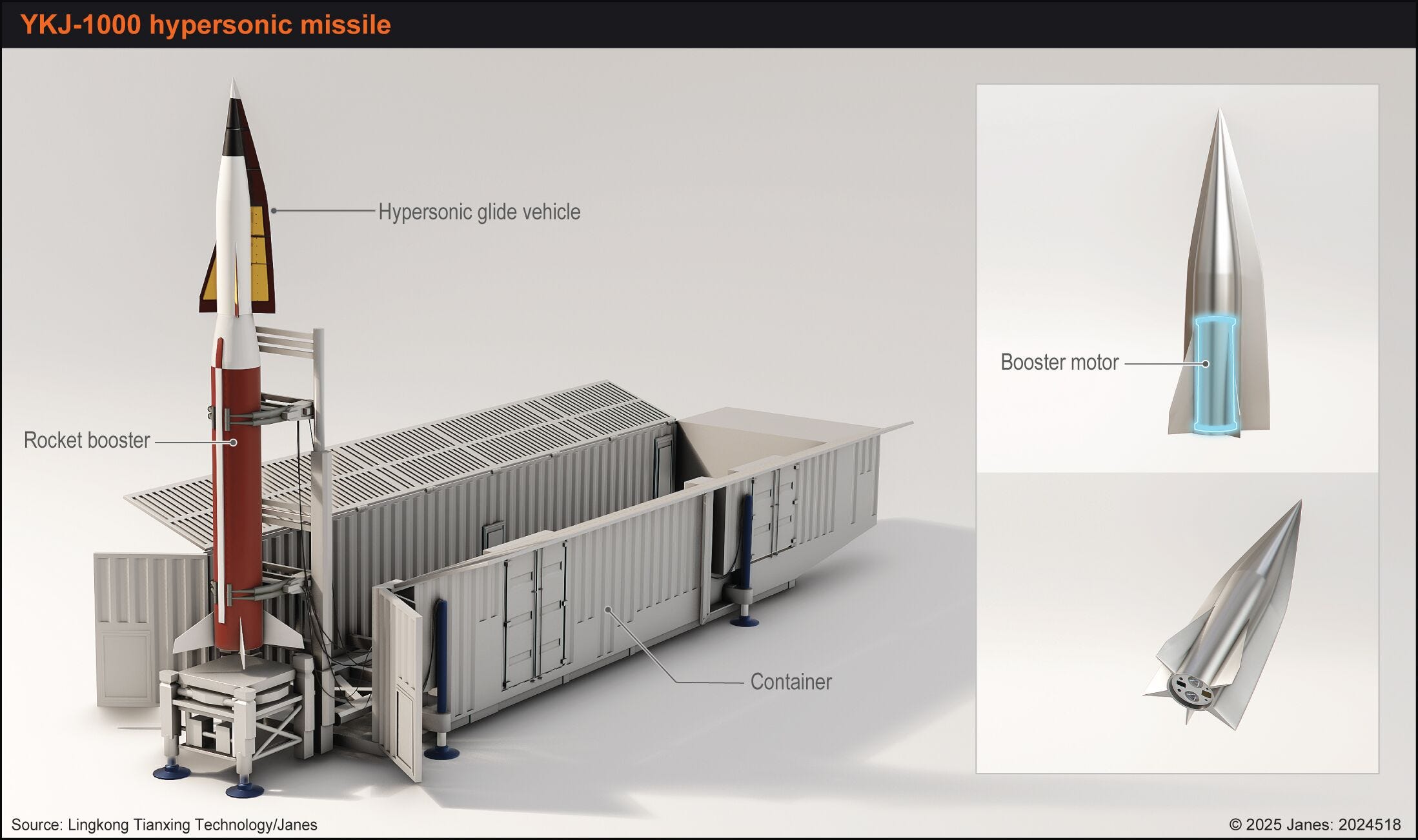
Against the backdrop of global trends towards finding ways to reduce the cost of weapons systems and to increase the scale and pace of their production, certain Chinese non-state scientific and technological companies (in particular, Lingkong Tianxing Technology) have also begun developing their own projects for ballistic missiles with hypersonic glide vehicles based on space launch vehicles, utilising more affordable technological solutions. A similar situation is observed, for example, in Germany, where Polaris company is proposing the development of military hypersonic systems based on its own spaceplane design.
Regional and global context of the hypersonic weapons proliferation
Given the current hypersonic weapons development programmes in the US, and against the backdrop of the collapse of the INF Treaty, the deployment of American ‘Dark Eagle’ hypersonic weapons as part of so-called Multi-Domain Task Forces (MDTFs) is expected in the near future. Between 2028 and 2030, it is planned to commission modernised Zumwalt-class destroyers and Virginia-class submarines equipped with similar sea-based hypersonic weapons (the CPS programme). These ships are scheduled to be stationed at the Pearl Harbor–Hickam Joint Base (Hawaii). Should the project to build new US Navy ‘Trump’-class heavy battlecruisers go ahead, they will also be equipped with the same medium-range hypersonic missiles. Furthermore, American air-launched hypersonic missiles are expected to appear in the coming years, including versions adapted for use from tactical aircraft (HACM). Australia is playing an active role in this process, as it also plans to equip its air force with HACM hypersonic cruise missiles.
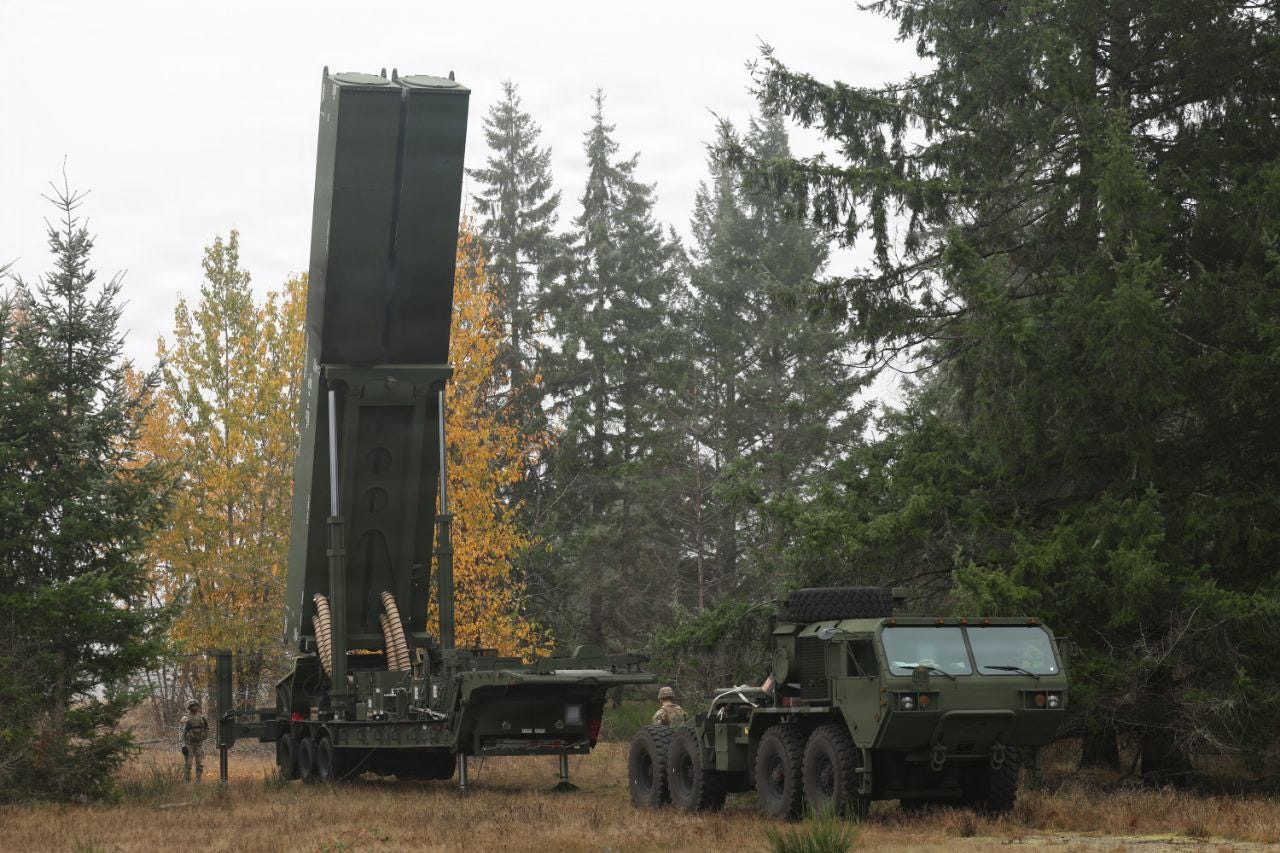
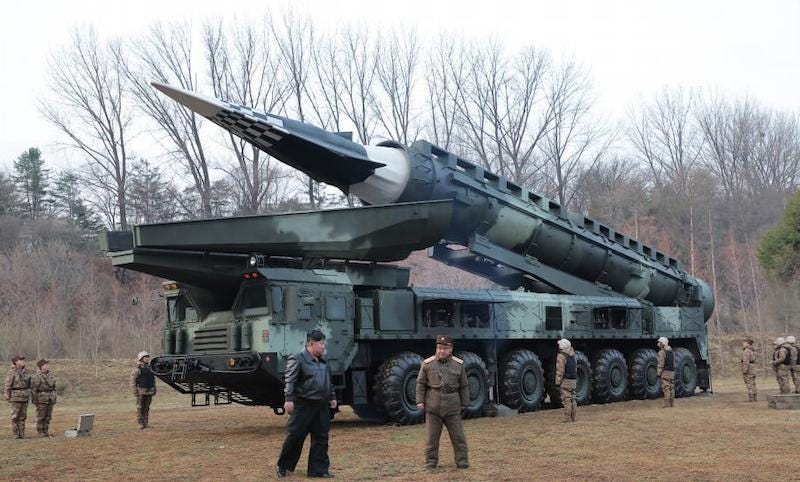
Similar developments are underway among US allies, with Japan and South Korea having made the greatest progress; indeed, Japan’s ground-based medium-range hypersonic systems Type-25 HVG, are ready for deployment. Hypersonic cruise missiles will also be deployed in the future. South Korea’s HyCore project is presumably being implemented with a view to deploying hypersonic cruise missiles on air-, sea- and land-based platforms, as well as a new HGV-type weapon demonstrated in October 2026. However, for Seoul, the main driver behind the development of hypersonic weapons is the so-called ‘North Korean threat’. It should be noted that the DPRK is also developing HGV-tipped missile systems of various ranges: the Hwasong-11ma, Hwasong-12na and Hwasong-16na, although their quality and reliability remains questionable.
At the same time, the development of Chinese (as well as Russian, North Korean and Iranian) missile systems is driving the integration and further expansion of US regional and global missile defence capabilities.
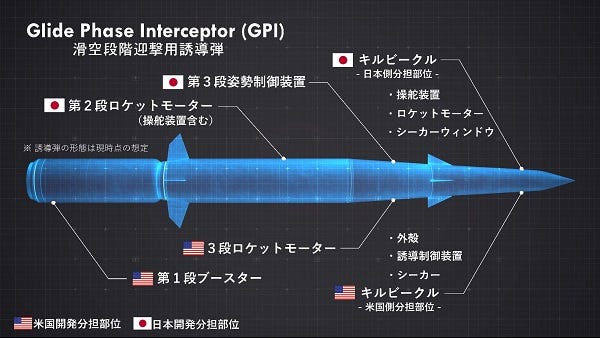
In particular, Japan is already an active participant in the US ‘anti-hypersonic’ missile defence project, the Glide Phase Interceptor (GPI).
From the perspective of Russian interests, the ongoing arms race involving missiles and anti-missile weapons in the Pacific theatre serves both as a useful means of diverting the resources of the main potential adversary and as a potential threat in terms of the build-up of US offensive and defensive capabilities on a regional and global scale (including in connection with the implementation of the ‘Golden Dome for America’ project). Furthermore, the possibility of new technological breakthroughs in the missile defense area cannot be entirely ruled out.
Given the current state of Russian-Chinese relations, which are characterised as exceptionally friendly, China’s hypersonic weapons do not at this stage pose a direct threat to Russia; however, should Beijing undergo a radical shift in policy, this could become a serious problem. That said, under such circumstances, it would by no means be the most pressing issue.
That’s all for today. Stay tuned for more, and feel free to reach out!
Your graphics are great !